
ENGINEERING INSIGHTS
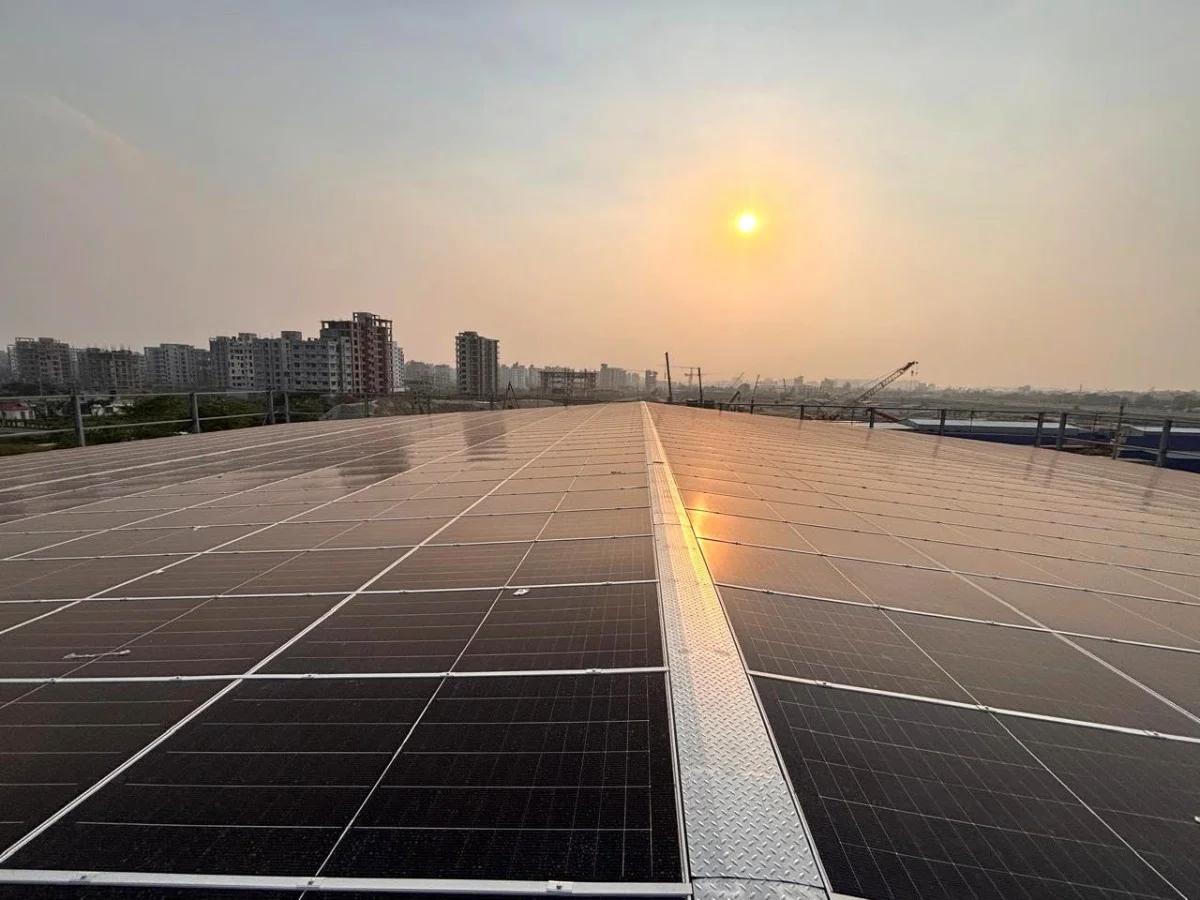
Every solar firm calls itself the best, but few can prove it. If you search for the top solar company in Bangladesh, you will find slogans, not facts. This guide gives you a better tool, because it shows what a top firm really does, and how to test any firm with simple checks. So use it on every quote you get, including ours.
First, there is no official ranking. No body tests every firm and publishes a league table. So "top" is a claim, not a title.
That is why you need your own test. A top solar company in Bangladesh, in practice, shows six things:
Proof. It has finished projects of your size, and you can visit them.
Design skill. It sizes the plant to your load, not to a template.
Approved gear. Its panels, inverters, and meters meet national standards.
Approval record. It wins grid and net metering sign-offs on time.
Clear pricing. Its quotes list each cost on its own line.
Lasting support. It stays on call long after handover.
A firm that scores well on all six is a strong pick, but a firm that scores well on only one is a gamble.
The market is growing fast. A Centre for Policy Dialogue (CPD) briefing from August 2026 counts 4,551 net-metered rooftop systems with 213.3 MW of capacity. About 1,531 were added in 2025, up from roughly 585 in 2024 (source).
Fast growth draws many new firms. However, the same briefing says installation and commissioning practice is uneven. It also adds that quality checks and upkeep are weak. It also notes that independent inspection is limited, and that poor installs have hurt trust.
So a bold sign or a long client list proves little. Ask what the firm built, how it performs, and who will answer your call in year five.
Apply these checks to any firm. Score each from 1 to 5.
First, ask for three finished projects like yours. Then visit one, and talk to the owner. After all, a firm that hides its sites is hiding something.
A strong firm visits your roof or land before it quotes. Then it reads your power bills. It also checks shade, structure, and access. Without a visit, a quote is only a guess.
Equipment must meet technical standards set by BSTI and SREDA, according to the power division's rules for the new rooftop incentive. So ask for datasheets and test reports. Match the brand on the quote to the brand on delivery.
But approvals are where many jobs stall. CPD notes that several agencies, each with its own steps, can delay projects. So ask who files the forms and how long they usually take.
Good quotes list panels, inverters, frames, cables, labour, duties, and VAT. One lump sum hides weak spots.
Panels often carry 25-year output warranties, but inverters carry shorter ones. So ask who handles claims and how fast they respond.
Work at height is risky, so ask if the firm uses its own trained crews. Also ask to see its safety plan.
Solar is not one product, so a strong firm knows where it is good, and says so.
Rooftop solar. Homes, offices, and factories use it to cut power bills, so the firm should handle design, net metering forms, installation, and upkeep. CPD puts a complete home system at roughly Tk 80,000 to Tk 250,000 or more. Larger business roofs cost far more.
Utility scale solar. These are solar farms that sell power to the grid, and they need land, grid links, and heavy construction. Recent examples show the scale: the state is planning a 442 MW plant at Rampal on 918 acres, and BPDB floated a 495 MW tender across 10 sites in April 2026. So few firms can build at this size.
Battery storage. Batteries keep power on during cuts. Also, the government now offers Tk 10.50 per unit for surplus power from rooftop systems with batteries, if they are installed by 28 February 2027 (source).
A firm that claims to do everything equally well deserves a closer look. Strong firms usually have a clear core, even if they stretch beyond it.
Several beliefs lead buyers astray, so here are the four most common.
"The biggest firm is the best." Size helps with buying power. Yet a large firm can still hand your job to a junior crew. Ask who will run your site, by name.
"The cheapest quote wins." A low price often hides thin support or weak parts. Compare cost against output instead, as shown below.
"A foreign brand always means quality." A good brand helps, but fitting matters just as much. A top panel on a poor frame still fails early, so judge the whole job, not one box.
"Awards and logos prove it." Some are earned, and some are bought. So ask for the test report, the site visit, and the owner's phone number, because those are harder to fake.
Some signs should slow you down:
A price with no site visit. The firm cannot size what it has not seen.
Wild output promises. Ask how the firm reached its number.
No itemised price. Lump sums hide cheap parts.
Pressure to sign today. A fair offer will still stand tomorrow.
Vague answers on approvals. If nobody owns the forms, delays follow.
No references. Good firms are proud of past work.
An unusually low price. It may mean weak parts or thin support.
One red flag may be a mistake. Three mean you should walk away.
A good firm moves in a clear order. For instance, in the first month, expect these steps:
A site visit and a review of your power bills.
A draft design and a written output estimate.
An itemised quote with duties and VAT.
A plan for approvals, with a named owner.
If you get none of these after a month, then the firm may not be ready for your job.
Also, location matters more than people think. Most large buyers and power offices sit in Dhaka, while the port and a strong factory base sit in Chattogram. In short, a firm with local roots knows the offices, the suppliers, and the site conditions.
Each city also has its own needs. So if you are choosing in the capital, read our guide to the top solar company in Dhaka. If you are in the port city, read our guide to the top solar company in Chattogram. Both pages apply the same checks to local conditions.
Home owners. Expect a simple package, a clear price, and fast approval help. Also, local service matters most, because small faults come up often.
Businesses. Expect a load study, a roof check, and a plan that keeps production running during the install. A strong firm will also explain duties, VAT, and net metering in plain terms.
Developers and investors. Expect land and grid studies, a construction plan, and a team that has handled large permits. At this scale, also ask about financing, delays, and penalties up front.
Price alone misleads, so compare cost against output instead.
First, take three numbers from each quote: the system size in kW, the total price, and the yearly output the firm expects. A well-built plant in Bangladesh makes about 1,400 kWh per kW each year. If a firm claims far more, ask why.
IEEFA puts the possible saving for industrial users at about $0.061 per kWh (source). Therefore, each kW saves about 1,400 × $0.061 = $85 a year. Divide the quoted price per kW by $85, and you get a rough payback in years. For example, $700 per kW gives about 8.2 years. These are illustrations, not prices. Use your own power bill for a better figure.
Then check what each quote leaves out. Look for duties, roof repairs, and an inverter swap later. A cheap quote that leaves these out is not cheap.
Turn the seven checks into numbers. First, score each firm from 1 to 5 on every check, then add them up. The top mark is 35.
28 or more: a strong firm. Move to final terms.
21 to 27: a fair firm. Press on the weak spots first.
Below 21: keep looking.
Treat the scorecard as a guide, not a law. Still, if a firm scores 1 on safety or approvals, walk away, whatever the total says.
Bring this list to every meeting:
Who designs the system, and who fits it?
Can I visit a finished project of my size?
Which brands will you use, and do they meet BSTI and SREDA standards?
How long will the approval forms take, and who files them?
What yearly output do you expect, and how did you work it out?
Who handles warranty claims, and what do they cover?
Do you offer upkeep, and what do you advise?
If my roof needs repairs first, how does that change the plan?
How is payment split across the job?
If the system underperforms, what happens next?
Write the answers down. Then compare them across firms. In general, the clearest answers come from the strongest firms.
Gtech Infrastructure is a solar EPC company based in Dhaka. EPC means one team handles engineering, procurement, and construction, so you deal with a single contact. You can read about its services on the Gtech Infrastructure website.
We do not ask you to take our word for it. Instead, use the six criteria and the ten questions above on us, too. Also ask for a site visit, an itemised quote, and a named contact. A firm that welcomes the test has little to hide.
Run through this list and confirm each line is true:
I have at least three itemised quotes.
Each firm visited my site.
I compared cost per kW and expected output.
The brands meet BSTI and SREDA standards.
It is clear who files the approval forms.
I saw a finished project and spoke to its owner.
The warranty is clear, with a named contact.
The install can finish before 28 February 2027, if I want the battery incentive.
If every line is true, you are ready to choose.
The top solar company in Bangladesh is the one that can prove its work. It designs for your load, uses approved gear, wins approvals, and stays after handover. But the weakest sell a price and vanish.
So take your time, get three quotes, ask the hard questions, and see a finished job. A careful choice now protects 25 years of savings.
view more
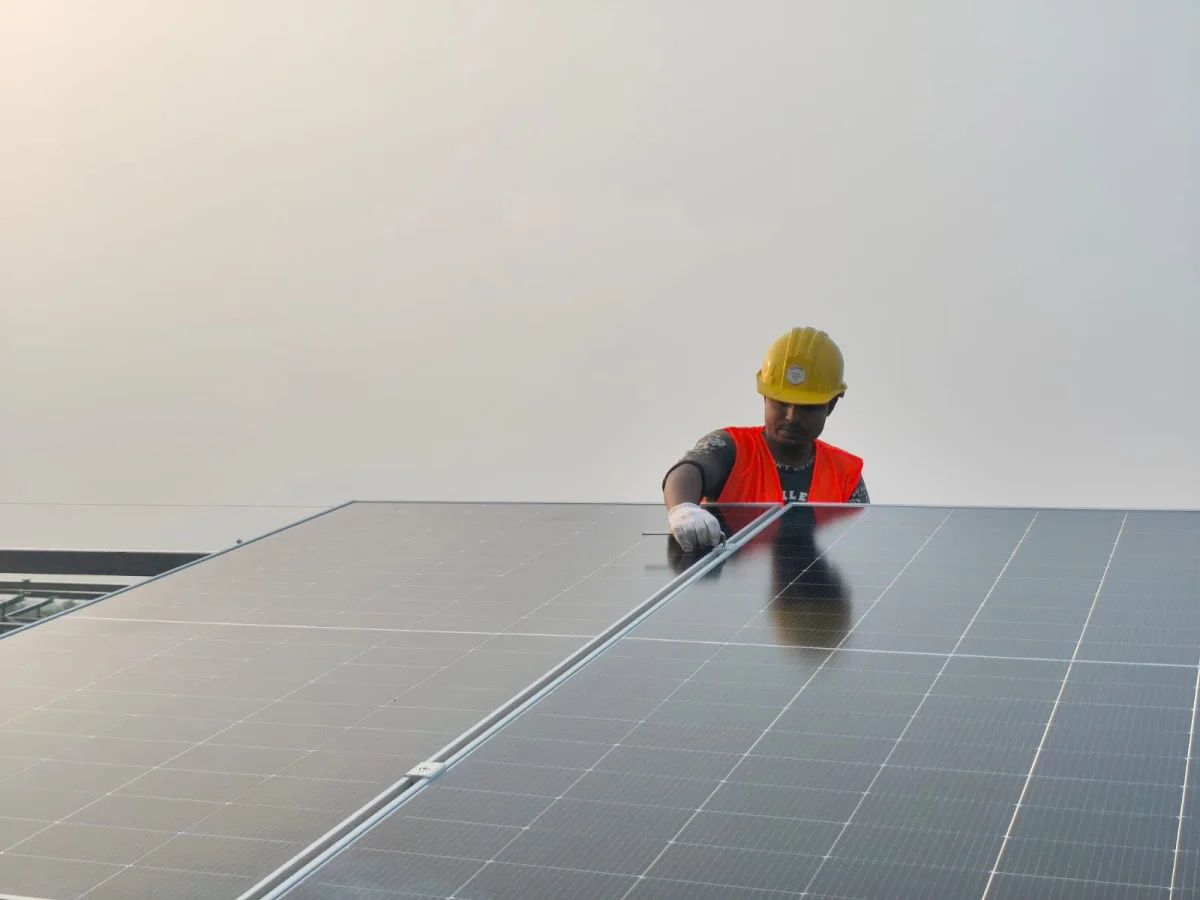
Top solar company in Chottogram: how to choose one for your site
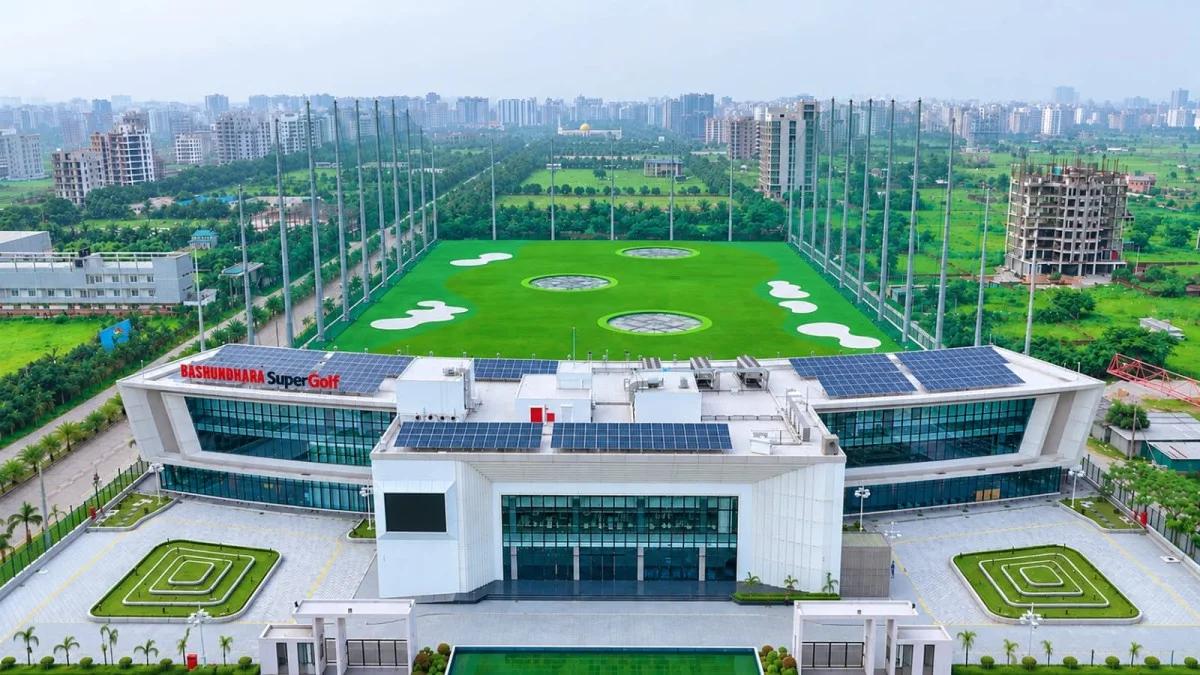
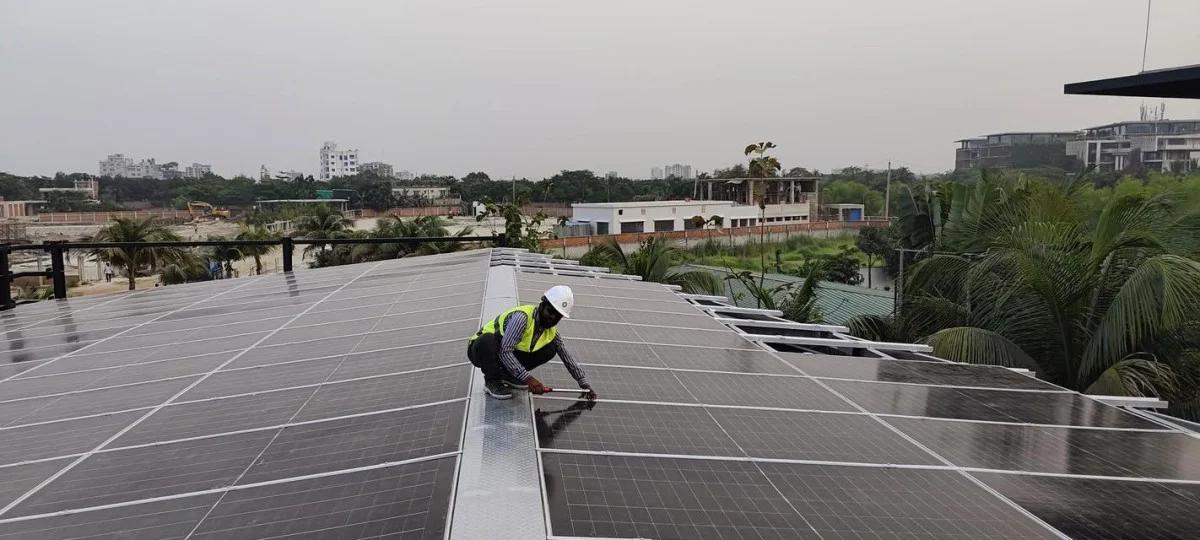
Top solar provider in Bangladesh: how to judge one before you sign

Need help choosing?
As land-use pressure increases across Europe, Agri-PV is becoming an increasingly relevant solution.


Rapid Response

Expert Guidance at Every Step

Support