
ENGINEERING INSIGHTS
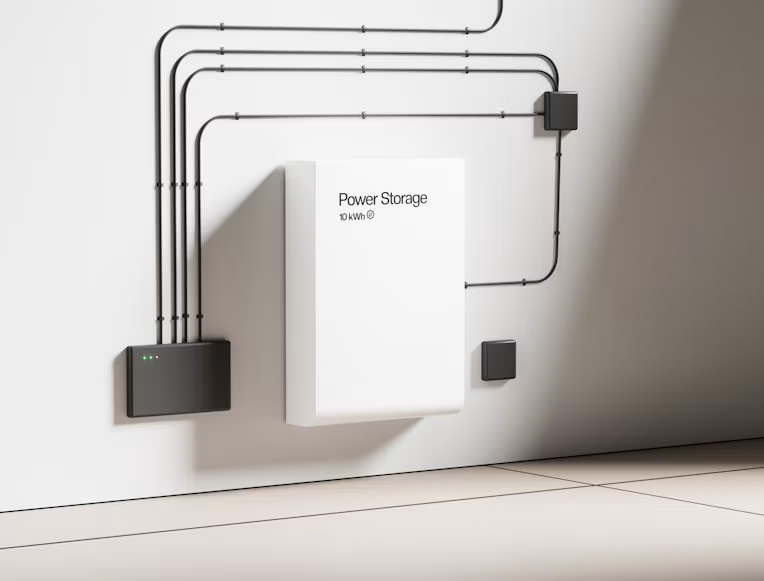
Bangladesh's factories lose real cash to power cuts every year. For decades, the fix was a diesel set. That's now changing fast. The battery energy storage solution in Bangladesh has moved from a rare, costly add-on to a real choice. Plants, phone towers, hospitals, and offices now use it too. This guide covers how battery storage works. It also covers what it costs against diesel and grid power, and where the country's rules are headed.
The idea is simple. A battery energy storage system, or BESS, is a set of cells that stores power. It lets that power out later, on call. The power can come from the grid, from solar panels, or from a diesel set. Once stored, it flows out fast when the grid drops. It also flows out when a plant needs to cut its peak load.
This differs from two other setups worth knowing:
A diesel set. This makes power on the spot by burning fuel. Storing power made earlier isn't part of what it does.
Roof solar alone. This makes power only while the sun shines. There's no way to use it after dark unless it's paired with storage.
Businesses often pair the battery energy storage solution in Bangladesh with roof solar. The two work well as a pair. Solar charges the cells for free during the day. The system then sends that stored power back out at night. That's right when grid need and prices peak.
A few forces push firms toward battery storage at once. Together they add up to a real shift.
Grid power in Bangladesh isn't cheap now. The state power body raised the average retail rate to ৳10.63 per kWh in mid-2026. The bulk rate rose to ৳8.39 per kWh. Plants on demand-based rates face both energy fees and separate demand fees. A well-sized battery can cut both at once, through a step called peak shaving.
Diesel, the old backup pick, has got worse too. Diesel trades at around ৳115 per litre in 2026. Running a set for even a few hours a day adds up fast at that price. A battery system cuts that cost fully once it's charged from the grid or from solar.
Grid trust also stays patchy in many plant zones. Export sites, most of all garment and cloth ones, can't take even a few seconds of downtime on set lines. A battery closes that gap right away, with none of the start-up lag a diesel set needs.
Government rules have shifted to back battery storage directly:
Zero import duty on storage gear. Bangladesh cut import tax on solar panels, inverters, cells, and full BESS gear in mid-2026. This move alone should cut total costs across home, business, plant, and big solar farm jobs alike.
Net metering rules now favor self-use. The 2025 fix to net metering rules raised the share of set load that can be net-metered. It went from 70 percent up to 100 percent. This makes storing and using your own solar power a better bet than before. That beats sending it all back to the grid.
The state is testing big grid storage too. The Bangladesh Rural Electrification Board has signed off on the country's first BESS pilot. This World Bank-funded job gives 32 MW of storage. It's split across four power groups: Dhaka PBS-1, Narsingdi PBS-1, Mymensingh PBS-2, and Kishoreganj PBS. The goal is better peak load care, steadier grid pace, and faster fixes after cuts.
Even so, Bangladesh still lags peer lands on storage rules. One trade piece noted that beyond these pilot jobs, state rules set no clear goals or buying paths for storage. Pay plans are also missing. This leaves private cash more spread out than it needs to be.
This is the key question every plant owner wants answered. It's core to weighing the battery energy storage solution in Bangladesh. The honest answer hangs on how the site uses backup power today.
For sites with heavy daily set use, the case for battery storage is often clear. Diesel at ৳115 per litre, burned for hours a day, adds up to a large and shaky cost. A battery charged from the grid or from solar cuts that fuel bill fully. None of diesel's price swings tied to world oil sales apply now.
For sites with light, rare backup needs, the answer is less clear. A battery system costs more up front than a diesel set of like power. So a site with a tight budget and rare cuts may still find a diesel set cheaper for now. The math shifts once you count upkeep, fuel runs, and set life span. Still, it isn't a win in every case. It's worth checking the real numbers for your load pattern rather than a guess.
The best returns show up when a battery pairs with roof solar rather than working alone. A lone battery charged only from the grid still gives real worth. Peak shaving, backup power, and lower demand fees all count as wins. But every kWh it stores still costs the grid rate. Add solar to the mix, and the battery now charges for free during the day. It then lets out that stored solar power at night. That's right when grid rates and demand fees bite hardest. That mix cuts grid costs, demand fees, and diesel costs all at once. This is why solar-plus-battery jobs tend to pay back faster than either one bought alone.
Here's a simple way to see the gap. Take a plant that runs a diesel set four hours a day, five days a week. At current diesel prices, that adds up to a large, steady fuel bill each month. This is before you even count upkeep and wear on the machine. A battery sized to cover that same four-hour gap cuts that fuel spend fully once it's paid off. It can charge from the grid at night or from solar during the day. For most mid-size plants with real daily cut risk, that shift alone can pay off well within the gear's working life.
The steps for a business battery job follow a fairly clear path, whether it's paired with solar or run alone.
An installer studies how much power the site uses, when it peaks, and how often and how long cuts really run. This step sets system size. A site with frequent short cuts needs a different plan than one with rare, long ones.
The installer sizes the battery to fit real need, not a stock template. This covers picking cell type and inverter size. It also covers how the system will link with any solar array or diesel set on site. Getting this step right decides how much of the gain the firm keeps.
If the system pairs with solar or ties into the grid, this stage covers utility work and net metering forms. This is much like a stand-alone solar job. A battery-only backup system with no grid feed needs less paper here.
Cells, inverters, and control gear go up on site, with wiring into the site's power system. Time frames vary with system size. A typical business job moves in weeks, not months.
The installer tests the system under real and mock cut states before handover. This checks it flips over smoothly and puts out its rated power.
Battery systems need routine checks and light upkeep. That's far less hands-on work than a diesel set, which needs steady fuel, oil swaps, and hands-on service. Most new battery systems carry multi-year cover on both the cells and the inverter.
A few slips come up often enough to flag.
The first is sizing a system around today's cut pattern without checking if that pattern is the norm. A site that sizes for a mild dry spell might find its battery too small later. Once wet-season grid trouble hits harder, that gap shows.
The second is treating a lone battery and a solar-plus-battery system as the same when you weigh cost. A lone battery charged from the grid gives real but tight worth. The best returns come from pairing storage with solar. Weighing the wrong setup against diesel can give a false payback figure.
The third is skipping a real check against diesel for the site's own load pattern. A battery isn't cheaper in every case, most of all for sites with low, rare backup needs. To assume so can lead to a system that's too big and barely used.
A few real-world checks tend to split a well-planned job from a poor one:
How many hours a day does your site really run backup power, and how often? This one number shapes payback more than any other input.
Would pairing storage with roof solar make sense for your site? If your roof has free space, the joint system usually beats a lone battery on returns.
Does your installer size for your real load, or a stock package? A poorly sized system either wastes cash on space nobody uses. Or it fails to cover the cuts that matter most.
What warranty terms cover the cells versus the inverter? These often differ, and it's worth knowing both before you sign.
Have you factored in the new zero import duty on storage gear? Recent rule shifts may have changed the cost picture since your last quote.
None of these are small points. They split a battery system that pays for itself within a few years from one that sits unused. A poor fit for the problem it was meant to fix falls in that same group too.
The path ahead is fairly clear. Battery costs keep falling worldwide. Diesel keeps getting pricier and less steady. Grid rates in Bangladesh keep trending up too. The zero import duty rule adds more support at just the right time for uptake.
What's still missing is a clear state plan. Bangladesh has real storage work now. This spans the BREB pilot, growing plant and business uptake, and formal note of storage in the 2025 green power plan. But the rules stop short of setting goals or buying paths for storage. Some peer lands already have both (source). That gap means private cash in storage stays more spread out than it could be. This holds true even as the base math keeps getting better.
For firms weighing the choice now, the honest take is clear. The tech and the money case are mostly set, even if the rule frame around them still lags. There's no need to wait for that frame to grow. You can gain from falling gear costs and rising grid and diesel prices today.
For plants already running roof solar, adding storage is often the next natural step. It beats a fresh start with a lone battery.
The solar system, the roof space, and the utility tie are already in place. So the added work is mostly about sizing the battery right and updating the net metering setup, not building a whole new project.
If you're weighing a battery energy storage project in Bangladesh, whether stand-alone or paired with roof solar, Gtech Infrastructure's battery energy storage solutions cover the full job. This spans load checks, system design, gear sourcing, setup, and long-term aid. Every step is built around how Bangladesh's grid, rates, and cut patterns really work.
view more
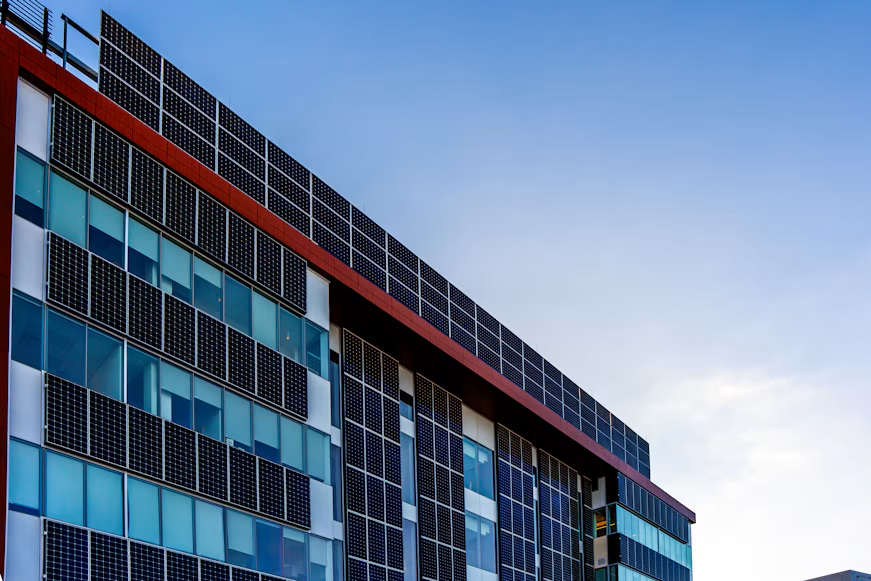
See how the BIPV solution in Bangladesh works, what it costs, and why architects and developers are starting to take notice.
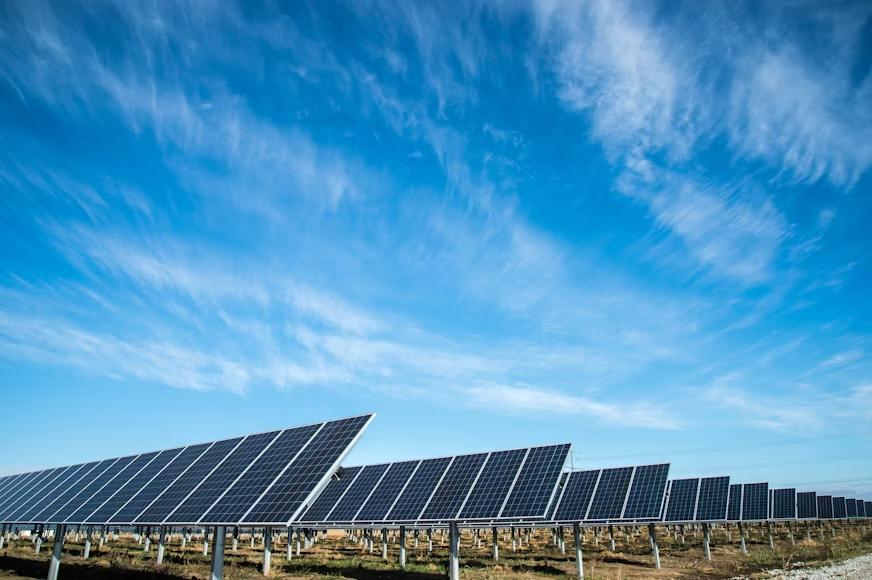
Looking for a solar EPC company in Bangladesh? See what EPC means, what to check, and why a solar EPC company in Dhaka often has the edge.
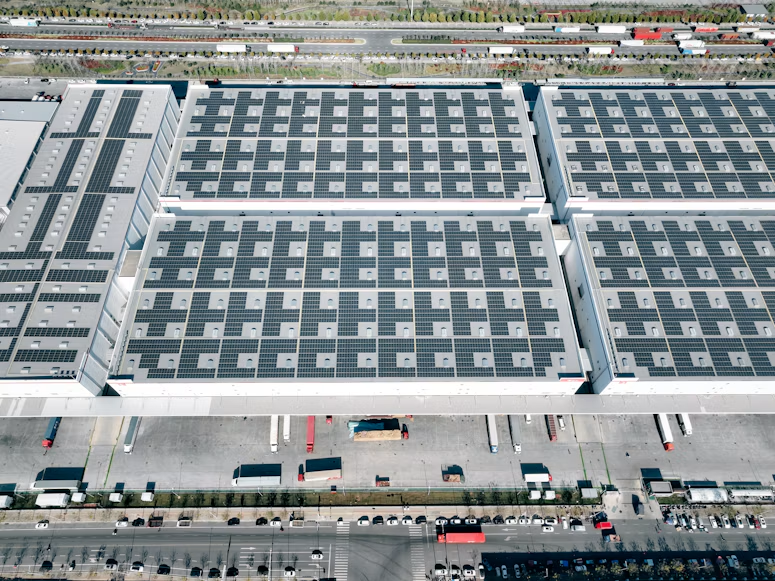
See how the commercial and industrial rooftop solar solution in Bangladesh works, what it costs, and how fast it pays back.

Need help choosing?
As land-use pressure increases across Europe, Agri-PV is becoming an increasingly relevant solution.


Rapid Response

Expert Guidance at Every Step

Support