
ENGINEERING INSIGHTS
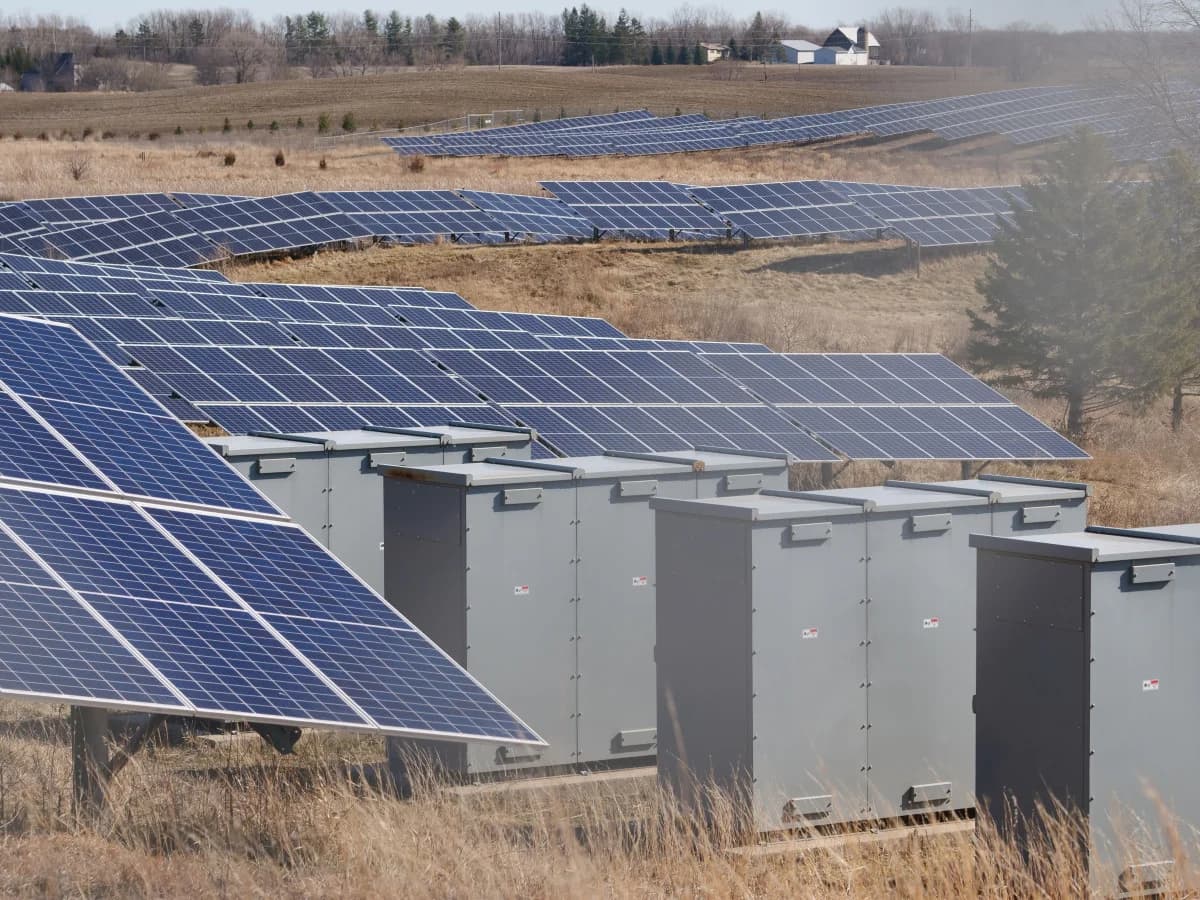
Pick the wrong solar setup and you pay twice. You pay once for the system, and again when it fails you at the worst moment. This guide to grid tied vs off grid solar systems in Bangladesh shows how each type works. It also shows what each costs and where each one fits. In short, grid tied wins for most buyers with a steady grid. Off grid wins where the grid does not reach. Hybrid sits in between.
A grid tied system, in contrast, links to the national grid. Your panels feed your building first. Extra power flows out to the grid. Then, when the sun sets, you draw from the grid again. There is usually no battery.
An off grid system stands alone. Panels charge a battery bank. The battery runs your lights, fans, and pumps. No wire connects you to the grid, so the grid never helps.
A hybrid system mixes both. It links to the grid and also holds a battery. So it works through outages and still earns credit when the grid is up.
Here is the quick view.
| Feature | Grid tied | Off grid | Hybrid |
| Needs the grid | Yes | No | Yes |
| Needs a battery | No | Yes | Yes |
| Works in an outage | No | Yes | Yes |
| Upfront cost | Lowest | Highest per kW | Middle |
| Net metering | Yes | No | Yes |
In the debate over grid tied vs off grid solar systems in Bangladesh, most new rooftop plants are grid tied. The reason is simple. They are cheap, and they pay back fast.
First, the panels make DC power. A grid tied inverter turns it into AC. The inverter also matches the grid's voltage and timing. Then your meter tracks what you use and what you send out.
Under net metering, the power firm credits you for exports. At month end, you pay for the net amount. For example, state data in September 2026 listed 5,028 net-metered systems with 338 MW peak capacity (source). That shows how fast this model is growing.
However, many owners miss this point. A basic grid tied inverter shuts off when the grid goes down. It does this on purpose. Otherwise, it could push power into lines that crews think are dead. So your solar panels sit idle during a load shedding spell, even in bright sun.
Still, that is the biggest weakness of a plain grid tied setup. If cuts are rare, you can live with it. If cuts are daily, you cannot.
Because it has no grid, an off grid plant must do everything itself. It makes power by day. It stores the surplus. Then it serves you by night and in cloudy spells.
Four parts matter most.
Panels. They must be big enough to run your load and charge the battery.
Charge controller. It protects the battery from overcharge.
Battery bank. It holds the energy for night use.
Inverter. It turns battery power into AC for your devices.
But the battery is the hard part. It costs the most, and it wears out first. So the whole off grid system is only as good as its battery.
Also, Bangladesh has real history here. Solar home systems, or SHS, lit rural homes for years. They served over 20 million people. Installations peaked at 853,000 in 2013. Then they fell to just 3,455 in 2018, because the grid reached villages.
A 2025 CPD survey found that nearly half of the roughly 6 million systems installed no longer work. The main causes were battery failure and weak after-sales service (source). So the lesson is plain. An off grid plant needs a good battery and a service plan. Without both, it dies young.
First, cost is where the two types split most.
A grid tied plant skips the battery. So it costs less per kW and pays back sooner. For factories, the RANCON chief operating officer put a 1 MW rooftop plant at Tk 35 million to Tk 45 million. He said it makes 100,000 to 120,000 units a month. Payback runs 4.5 to 5.5 years with direct funding, or 7 to 9 years with bank interest (source). Those are factory-scale figures, so a small home system will differ.
An off grid plant adds a large battery bank and a bigger panel array. It also adds a replacement bill later, when the battery ages. Meanwhile, it earns nothing from net metering. Its value is not savings but access. It gives power where there is none, or when the grid fails.
Also, both types face high import taxes. CPD reports that combined duties on panels and inverters ran 27.5 to 33.6 percent in FY2025-26. On 8 September 2026, the state approved a 180-day exemption on some duties for specified solar plant equipment. Ask your seller whether it applies to your order.
Take, for instance, a home that uses 6 kWh a day. We assume 4.5 peak sun hours, which suits most of Bangladesh.
| Item | Grid tied | Off grid |
| Daily need | 6 kWh | 6 kWh |
| Panel size | about 1.7 kW | about 1.8 kW, rounded to 2 kW |
| Battery | none | about 7.5 kWh usable |
| Runs in a blackout | No | Yes |
The math: a grid tied plant needs about 6 ÷ (4.5 × 0.8) = 1.7 kW. An off grid plant loses more to the battery, so it needs about 6 ÷ (4.5 × 0.75) = 1.8 kW. Its battery must hold one night of use. At 80 percent usable depth, that is 6 ÷ 0.8 = 7.5 kWh. In short, the panels look alike. The battery is the real cost gap.
Hybrid deserves a closer look, because it solves the main flaw of each type. A hybrid inverter links to the grid and also manages a battery. It sends solar power to your loads first. Next, it fills the battery. Only then does it export or draw from the grid.
During a blackout, the inverter splits from the grid and keeps your chosen loads alive. That is called islanding. Most hybrid units run a backup panel, not the whole building. So you list the loads that matter, such as lights, fans, a fridge, and a router. The battery then serves only those.
There are trade-offs, though. A hybrid plant costs more than a plain grid tied one. Its battery wears out, so a swap is a real bill. Also, a small battery empties fast, so size it for your critical loads and your usual outage length. Still, for many homes and shops, hybrid is the sweet spot.
Here, however, the answer flips. Off grid keeps running when the grid fails. Grid tied does not.
Meanwhile, gas shortages keep stressing the supply. Daily gas demand sits near 3,800 million cubic feet, but supply is only 2,600 to 2,700. As a result, load shedding stays a risk, and many buyers want backup.
So if you want both savings and backup, choose hybrid. It uses solar first, then the battery, then the grid. It also earns net metering credit.
Also, hybrid just got a boost. Rooftop systems with batteries installed by 28 February 2027 will earn Tk 10.50 per unit for surplus power sent to the grid. The rate runs to 28 February 2030. Payments arrive every three months. So a grid tied vs off grid choice now has a third path that pays.
So match the system to your site and your habits.
Choose grid tied if:
A steady grid link is already in place.
Most of your power use falls by day.
The fastest payback matters most.
Outages are short and rare.
For example, garment plants, offices, malls, and many homes fit here.
Choose off grid if:
The grid does not reach you.
Extension would cost too much.
You need power at a remote pump, tower, or farm.
Think of char islands, hill tracts, and far fields. In these places, the battery cost buys something the grid cannot sell.
Choose hybrid if:
Blackouts hurt your work or your family.
You run medical gear, cold storage, or servers.
You want net metering and backup together.
Typical cases include hospitals, clinics, cold rooms, and shops with fridges are common cases.
Upkeep differs a lot between the two. First, panels last 25 years or more in both cases. Inverters usually last far less, so plan a swap once in the plant's life.
By contrast, a grid tied plant is simple. You wash the panels, check the cables, and watch the monitor. Very little else can fail.
An off grid plant, however, needs more care. The battery needs the right charge settings and a cool, dry room. Heat and deep discharge shorten battery life fast. Moreover, a weak battery drags down the whole plant. So buy from a firm that offers real service, and keep records of every check.
Often, yes. Many rural homes that once used a solar home system now sit next to the grid. Their old panels and batteries may still have value. CPD even urges policy to turn old systems into hybrid, grid tied ones. In practice, you would add a grid inverter, a meter, and approval from the power firm. A qualified contractor must test the old panels first, because weak ones may not be worth reuse.
The reverse also works. A grid tied owner who suffers daily cuts can add a battery and a hybrid inverter later. Ask for a design that allows this from day one. It costs little now and saves a lot later.
Only grid linked plants can use net metering. So an off grid plant gives up that income by design.
The rules also matter for size. CPD notes that size caps, load rules, and slow approvals discourage small home users. It urges simpler steps and faster sign-off. Ask your contractor to confirm today's requirements before you buy.
Also, a grid tied or hybrid plant needs approval from the power firm before it goes live. Start that step early. Late forms can hold up switch-on by weeks.
Four slips come up again and again, so watch for them.
First, owners buy grid tied and expect backup. It will not run in a blackout. Second, owners buy off grid but skimp on the battery. The system then dies in a year or two. Third, owners size the system for today only. Growth then leaves them short. Finally, owners ignore service. A system with no support is a bad bet, as the SHS story shows.
You can avoid all four with one habit. Write down what you want the system to do on the worst day. Then pick the type that does it.
Use this list with your contractor.
How many hours of outage do I face each week?
Does the grid reach my site now?
Which loads must never stop?
What is my yearly power bill?
Is my roof or land ready?
Who will service the battery, and for how long?
Does the 2027 battery incentive fit my plan?
Answer "none" to the outage question and "yes" to the grid, and grid tied is your answer. When outages hurt, go hybrid. With no grid at all, go off grid and invest in the battery.
For most buyers, grid tied is the best value. It costs less, pays back faster, and earns net metering credit. Its one flaw is the blackout, but hybrid fixes that for a price. Off grid is the right tool only where the grid cannot go.
Whatever you choose, plan for the battery and the service. Those two things decide if a system lasts. If you want a site check and a sized quote, Gtech Infrastructure's rooftop solar solutions can help you compare grid tied, hybrid, and off grid options for your site.
view more
Utility scale solar power plant installation in Bangladesh
How to calculate the ROI of commercial rooftop solar in Bangladesh
Commercial rooftop solar installation guide for businesses in Bangladesh

Need help choosing?
As land-use pressure increases across Europe, Agri-PV is becoming an increasingly relevant solution.


Rapid Response

Expert Guidance at Every Step

Support