
ENGINEERING INSIGHTS
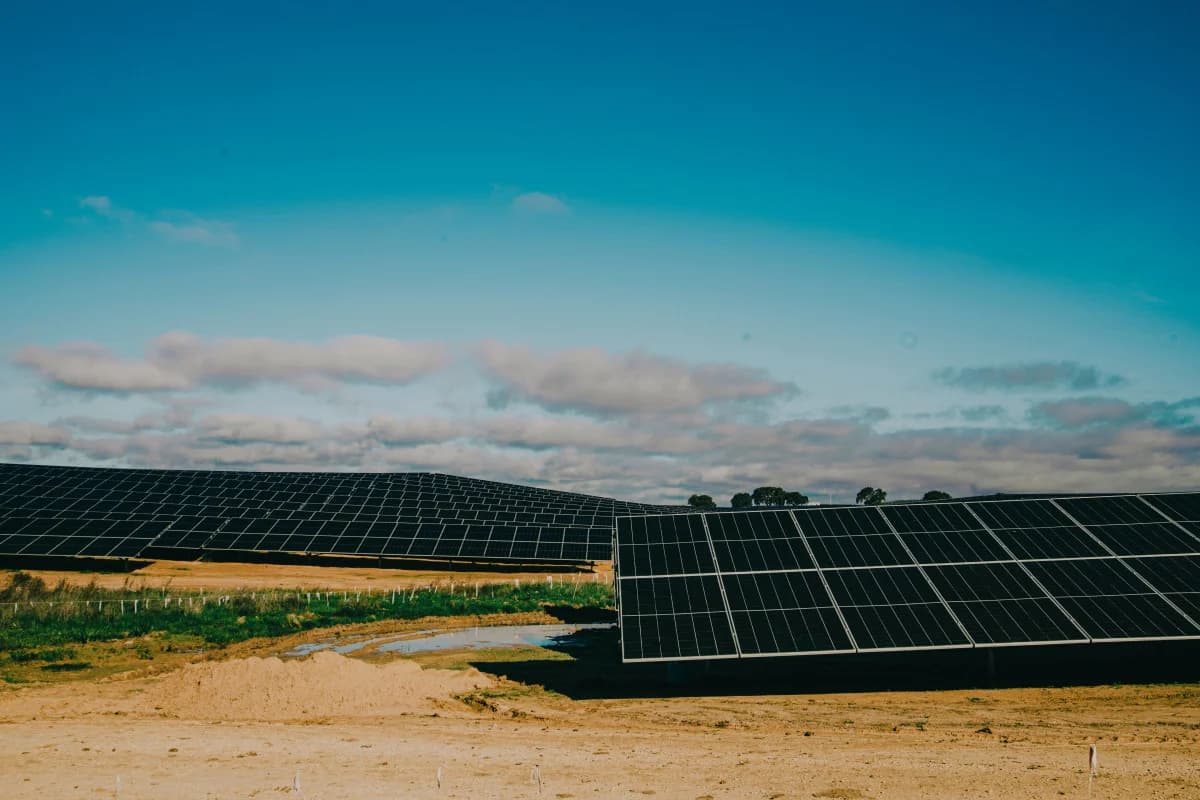
A solar plant is won or lost on site, not on paper. Utility scale solar power plant installation in Bangladesh is hard work. First, the land is flat and soft, and it is often wet. Also, gear comes from far away. The grid line, too, may be many miles off. So this guide walks you through the build, step by step.
Installation starts once you win the deal and hold the land. By then, you have the permits and the design. You also have a power purchase deal. So now you must build.
The work has four parts:
Site works. Clear the land, level it, add drains, roads, and a fence.
Plant works. Set piles, frames, panels, cables, and inverters.
Grid works. Build the substation and the line.
Proof works. Test the plant and reach COD, the start date.
But each part needs the one before it. So one early delay hits the whole plan.
It depends on size, soil, and weather. Still, one real case helps. Beximco's 275 MWp plant in Gaibandha took 14 months to build (source). Also, the site sits on a remote river bank.
Small plants can go faster. Even so, be wary of quick promises. Land and grid trouble slow a build more than panel work does.
This plan is a guide only, because it shows how the phases overlap over 14 months. Your plan will differ.
Early on (months 1 to 2): soil tests, final layout, and gear orders.
Site works (months 2 to 4): fill, drains, roads, and fence.
Piling (months 4 to 8): piles, pull tests, and frames.
Panels and cables (months 6 to 11): the bulk of the fitting.
Grid works (months 5 to 12): substation, transformers, and grid link.
The final stretch (months 12 to 14): tests, grid code checks, and start.
First, good projects start with facts about the ground. So order these studies first:
Land survey. It maps the levels, so you know where water will go.
Soil tests. They set the pile type and depth.
Flood study. It sets the height of roads and gear.
Green checks. Big plants usually need a Department of Environment nod. So ask your lawyer for the current rules.
Then fix the layout. Keep cable runs short, because short runs cost less and lose less power.
Site works look dull. But they set the pace for all that follows. Bangladesh gets heavy rain, and flat land holds the water. So crews dig drains first. Next, they lay strong roads, a yard for gear, and a fence.
Plan around the monsoon. A truck stuck in mud can stop a whole crew. So finish the big earth work before the rains. Then save the dry-day tasks for later.
Piles hold the frames in the ground. In utility scale solar power plant installation, the soil is soft. So this step is the top tech risk.
For example, at Gaibandha, the soil forced a helical pile design. Other sites may use driven steel piles, while some may use concrete. But only tests can tell you which.
Pull tests matter. A crew pulls and pushes sample piles. This then proves they are strong before the main run. Skip it, and rows may tilt after the first storm season.
Frames carry the panels. Most plants use fixed frames, but some use trackers that turn with the sun. Trackers add output. But they add moving parts, and they need more land.
Steel is a big item. For instance, the Gaibandha plant used about 20,000 tonnes. So the coat on the steel matters. Wet air and floods cause rust, so a weak coat can cut a plant's life short.
Now the plant takes shape. Crews place panels on the frames and tighten the clamps. Then they link the strings. Because the job repeats again and again, quality checks matter. Check each row for tight bolts, true lines, and cracks.
Handle panels with care, since cracks from rough use may not show for months. So good teams check panels on delivery. Then they check them again after they go up.
Cables are a quiet cost. For example, Gaibandha used about 650,000 metres. DC cables link strings to inverters. AC cables link inverters to transformers.
Inverters turn DC into AC. Big plants house them in small stations, and each has a transformer and switchgear. In fact, the Gaibandha plant used 16 of these transformers.
Route cables with care, and shield them from sun, water, and rats. Also, label every run. Then a clear label can save days of fault hunting.
Power must reach the grid. So this step often sets the real start date of any utility scale solar power plant installation.
First, the plant needs a step-up transformer and switchgear. Then it needs a line to the nearest grid substation. Some lines run about 7 km, but others run 47 km. Developers often build the line and hand it to the grid firm at the end, the Daily Star reports. That adds cost and time, too.
So book grid works early. Also, order slow items, like transformers, at the start.
Tests prove that the plant works. They also start the clock on pay. Crews check these items:
Wire insulation and earthing on every circuit.
Panel string output against the design.
Inverter settings and grid code limits.
Relays and trips.
The control system, called SCADA.
Heat images, which show hot spots on panels and joints.
Next, the grid firm checks the link and signs it off. The plant then ramps up in steps. At last, it passes a test and reaches COD. From that day, it earns under its deal.
Orders drive the plan, so list the big items early. Most come from abroad, and some take months to arrive.
Panels. They cost the most, so ask for test reports from the factory.
Inverters. Pick units that meet the grid code and cope with heat.
Transformers. These take the longest, so order them first.
Mount steel. Check the coat, since wet air eats steel.
Cables and switchgear. Buy extra length, because cuts and faults happen.
Control gear. SCADA lets you watch every inverter from one room.
First, check each delivery at the gate. A damaged transformer costs less to catch there than after wiring. Also keep a few spare panels and fuses on site. Then small spares prevent long stops.
Moving gear is often harder than fitting it. Most panels and inverters come from abroad. They land at Chattogram or another port, and then they go by road or river to the site.
The Gaibandha job shows the scale. Over 330 days, 2,008 trucks crossed the border, which is one truck every four hours. One truck took 138 hours and 55 signatures on average. Also, gear came from about 50 places.
You may not face this route. Still, the lesson holds. Treat shipping as a project of its own. Also, track each item, and keep spares for fragile parts.
Weather shapes the plan. Heavy rain falls from May to October, and storms hit the coast. So the design must cope with both water and wind.
First, raise gear above known flood marks. Next, put inverter stations and transformers on raised pads, and route drains away from the panel rows. Also build frames for the local wind load. After all, a light frame can fail in a storm.
The plan must bend too. So do big earth work in the dry months. Cable work and panel fitting can go on in light rain, but not in lightning. So add a weather buffer of a few weeks. Then agree early who pays for rain delays.
Price depends on land, grid works, and gear. Recent bids imply about USD 600 to 800 per kW. At that range, a 50 MW plant costs about USD 30 to 40 million before land and loans. Treat this as a guide, since each site differs.
A few lines often surprise owners:
For one, piles in soft soil cost more than planned.
Also, grid lines add cost for every kilometre.
Duties and taxes raise prices.
Delays add interest and penalties.
As a rule, keep 5 to 10 percent of the budget as a spare fund. Spend it on real surprises only. Also, a tidy log helps when you talk to lenders.
Delays follow a few patterns:
Land and permits. Title fights or missing papers can halt work for months.
Grid link. A late line or substation holds back the start.
Gear. In 2021, developers said prices rose 30 to 40 percent and ships ran late. So they asked for more time on COD, says the Financial Express.
Weather. Monsoon rain and floods stop heavy work.
Weak plans. A firm that under-prices a bid may cut corners later.
The Daily Star also notes that some projects won awards before land and grid links were firm. But you can avoid this risk if you check both first.
A few habits protect your dates:
First, lock land and title before you sign.
Order slow items early.
Add spare time for the monsoon.
Hold a weekly site meeting with a written list.
Set clear fines and goals in the EPC deal.
A big plant can employ hundreds of workers at its peak. So hire locally where you can. Train people to fit panels, lay cable, and build fences. This wins goodwill, and it also speeds up work.
Also, keep your neighbours told. Share the truck routes, the noise, and the work hours. Then fix any village roads you damage, and handle complaints in writing. After all, a calm site is a fast site.
A big site can host hundreds of workers. So safety must be a daily habit. But a poster on a wall is not enough. After all, work at height, heavy lifts, live wires, and heat are all real risks.
Good teams hold a short talk each morning. They also check work permits, control who enters, and log near misses. Quality works the same way, so check early and often. Record every test, because these records matter at handover. They matter again in any warranty claim.
The EPC firm shapes your risk. So ask direct questions:
Has it built a plant of your size, and where?
Who owns the crews, and who runs them on site?
What is its plan for soil, flood, and monsoon?
How does it handle grid works and approvals?
What warranties does it give, and who answers later?
Also ask to visit finished plants. Then talk to the owner, not just the sales team. A firm with local roots knows the grid rules. It knows the land office habits and the supplier chain too.
But the job does not end at COD. First, the team hands over drawings, test reports, manuals, and spares. Then the O&M team takes over. They wash panels, run checks, and fix faults.
Watch the first year with care. Then compare real output with the design. Also look for hot spots, loose clamps, and drain trouble after the first monsoon. Fix small faults early, and they stay small.
Utility scale solar power plant installation in Bangladesh pays those who plan well. Test the soil, and guard the plan from rain. Also book the grid works early, and treat shipping as a project. Above all, check land and grid before you promise a date.
So, want a partner for the full job? Gtech Infrastructure's utility scale solar power plant solutions cover site checks, design, build, and handover.
view more
How to calculate the ROI of commercial rooftop solar in Bangladesh
Grid tied vs off grid solar systems in Bangladesh: which is better?
Commercial rooftop solar installation guide for businesses in Bangladesh

Need help choosing?
As land-use pressure increases across Europe, Agri-PV is becoming an increasingly relevant solution.


Rapid Response

Expert Guidance at Every Step

Support