
ENGINEERING INSIGHTS
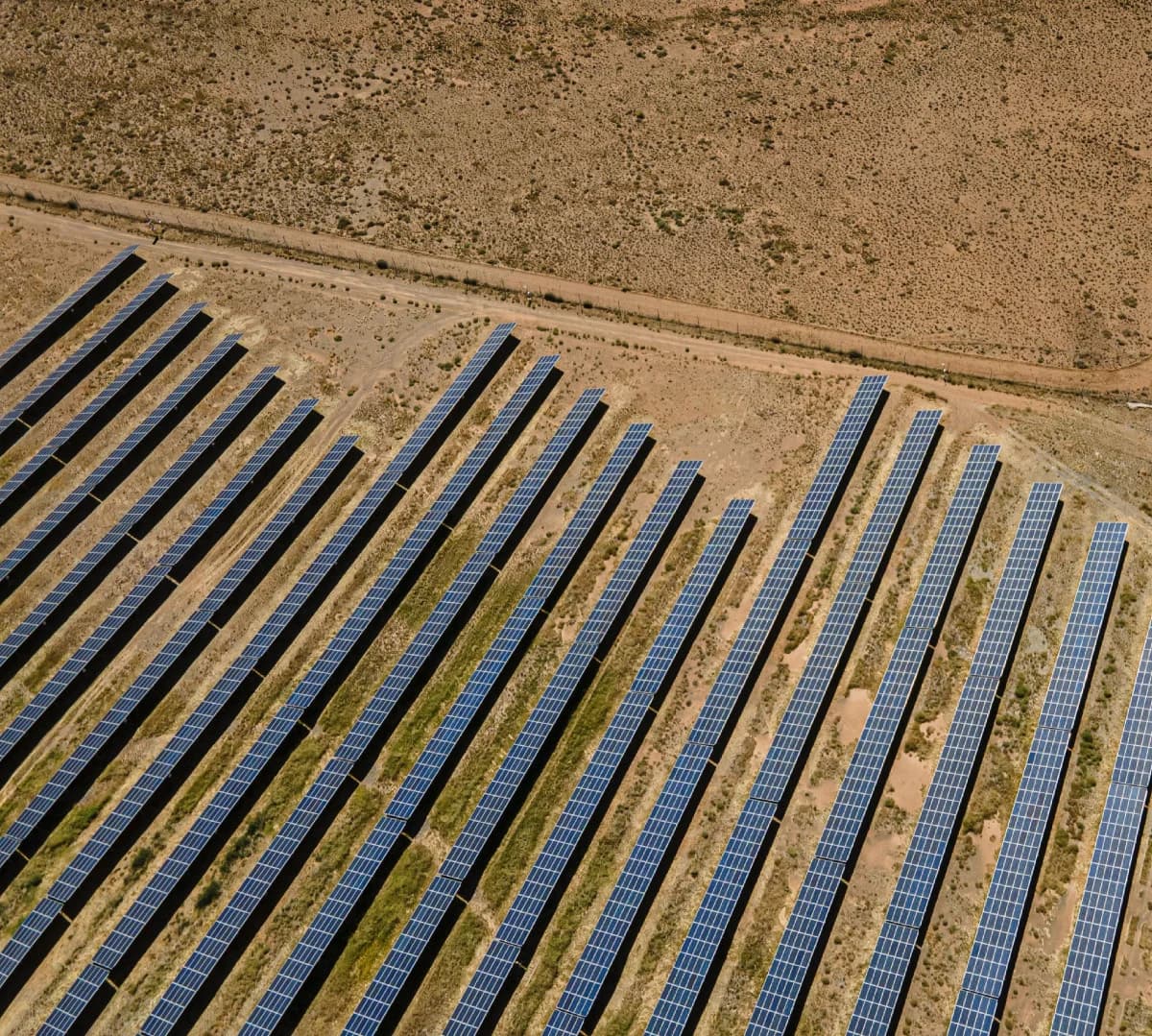
Land decides if a solar plant gets built here. The land requirements for utility scale solar projects in Bangladesh come down to three tests. First, is the site big enough? Second, is the land legal to use? Finally, does a grid substation sit close by? Most delays start with land, not panels or money. In this guide, you will see how many acres you need. You will also see which land you can use and what to check before you pay. Good bids fail on a bad plot all the time, so start with the land.
Plan for 3.5 to 4 acres per megawatt. That is a safe start, because published figures vary. Published figures vary, so here is the spread:
2.2 to 2.3 acres per MW. The Daily Star puts it at 2,200 to 2,300 acres for every 1,000 MWp (source).
3 to 4 acres per MW. Most local analysts use this range.
About 4 acres per MW. Spectra Solar Park holds 141 acres for a 35 MW plant.
Why is the gap so wide? First, the low figure counts only the panel field. The high figure counts everything inside the fence. That means roads, drainage, a substation, a store, and buffer strips. Also, row spacing matters. Wide rows cut shade but eat land.
Check the unit as well. For example, recent BPDB tenders quote MW AC. Also, a plant installs more panel power (DC) than its AC rating. So land per AC megawatt runs higher than a textbook figure.
Here is the math at three common ratios. All figures are acres.
| Plant size | At 2.3 acres per MW | At 3.5 acres per MW | At 4 acres per MW |
| 10 MW | 23 | 35 | 40 |
| 25 MW | 58 | 88 | 100 |
| 50 MW | 115 | 175 | 200 |
| 100 MW | 230 | 350 | 400 |
So, one 50 MW bid can need 115 to 200 acres. Budget for the high end. Then let your layout prove you need less.
Rampal's planned 442 MW plant will use 918 acres. That is about 2.1 acres per MW. It sits on land the state already holds near its coal plant, Dhaka Tribune reported on 14 October 2026.
Meanwhile, an Indian-funded 100 MW project got about 325 acres on a long-term lease. Its tender listed 140.74 MWp of panels. That works out to about 2.3 acres per MWp. Likewise, a solar park in Mymensingh needed 174 acres. Buying that land took almost two years.
Local deals use local units. One acre is 100 decimals. It is also about three bighas, though a bigha varies by area. So a 175-acre site is 17,500 decimals. Always convert every deed to acres before you compare offers.
Still, acres are only the first test. A good site passes six checks:
One piece, not ten. Plots here are small and split among many owners. Joining 150 acres can mean many deals.
Dry in a flood. The 1988 flood covered about 60 percent of the country. Low sites need fill or a new design.
Firm ground. Soft soil also raises piling and mounting costs.
Road access. Trucks must also reach the site with panels, transformers, and cranes.
Close to a substation. Every extra kilometre of line adds cost and land.
Clean title. No dispute, no double sale, no hidden heir.
Because farmland is off limits, developers often turn to char and low-lying land. That land costs less. But it often sits far from a substation. So the cheap plot can become the costly one.
Not all land counts, so here is how each type stacks up.
Farmland: avoid it. A 2001 national land use policy bars turning fertile farmland to other uses. Bidders also need a no-objection certificate (NOC) from the Agriculture Department. In Bhaluka, Mymensingh, the department first objected to a proposed 45 MW site. It said the land was farm. It later issued the NOC. Local farmers still asked the deputy commissioner to stop the project.
Don't trust a label. A 2026 policy brief from BIGD at BRAC University found something worrying. Satellite images contradict reports that call project sites non-farm. So check the ground and the records yourself.
Khas land: check, then check again. Khas is government-owned land. The DC Land Office holds the records. Still, disputes are common. A GIS study in Rangpur division counted 118,328 acres of fallow khas land. Only 8,628 acres, about 7 percent, suited ground-mounted solar.
Char and low-lying land: workable, with limits. Expect fill, flood design, and long lines. In short, cheap land is rarely cheap.
Forest, wetland, and haor: heavy extra clearances. Expect more permits and more local pushback. As a result, most teams skip these sites.
The state now offers its own land. On 7 April 2026, the government approved guidelines for renewable projects on land owned by public agencies. The model is a PPP. BPDB acts as the contracting authority. The guidelines also say no project on government land can go ahead outside the PPP route.
Here is what has moved since:
Sonagazi, Feni. BEZA and BPDB signed an MoU for the first PPP solar plant on government land. It is a pilot of about 140 MW.
A land census. Ministries must list dispute-free plots larger than 3.5 acres. That is about 1 MW at common ratios. So it is a floor, not a project.
Rampal. Likewise, the 442 MW plant needs no new land buying.
Barapukuria. BPDB's 77.6 MW tender puts a 20 MW plant on the coal plant site.
Mixed signals remain, though. The April 2026 tender for 495 MW across 10 sites left land and finance with the bidders. An industry expert called that out of step with the new PPP policy. So public land helps, but it doesn't cover every tender. Read each tender to see who must find the land.
In most projects, the developer finds and buys the site. A 2022 legal briefing says BPDB usually wants part of the site secured before it issues a letter of intent. So you often spend on land before you win anything. That is a real cash risk, so budget for it.
Land is only 3 to 5 percent of project cost worldwide. Yet a bad title can stall the whole plant. So check early:
Confirm the owner in the land office records. For khas land, ask the DC Land Office.
Then trace the heirs, because one seller may not be the only one.
Next, look for double sales and court cases.
Ask your lawyer about the permission step for large buys. Industry sources describe a fund payment tied to the deputy commissioner's consent. Check the current rule.
The BIGD brief found a pattern in the field. Middlemen, called dalals, ran many land deals. Owners reported low pay and false job promises. Women's farm roles took a hit too. Therefore, skip the middlemen where you can. Deal with owners directly. Pay fair rates. Keep written records of every talk.
In fact, your design moves the acre count as much as the site does. Three choices matter most.
Fixed tilt or trackers. Trackers turn the panels to follow the sun. They add output, but they also need wider spacing. So a tracker plant usually needs more land per megawatt than a fixed one. On flat, cheap land that trade can work. On scarce land, it often does not.
The DC to AC ratio. Developers often install more panel power than the inverters can export. This lifts output at low sun. However, it also adds panels, and panels need ground. So always ask which number a tender uses before you size the plot.
Row spacing and shade. Close rows save land but shade each other in the morning and evening. Wide rows lose less power but use more ground. A good designer tests both on your actual plot. Do not copy a layout from another country, because sun angles and flood levels differ.
Land is also a permit question. Each site needs more than a clean deed. Expect to deal with these bodies:
BPDB. First, it signs the power purchase deal and checks the site in its tender.
Agriculture Department. It issues the NOC when the land has any farm use.
Department of Environment. Also, large projects usually need environmental clearance.
Local land office and deputy commissioner. Finally, they confirm records and any required consent.
Rules and forms change, so ask a local lawyer to confirm the current list. Start these steps early, because a permit that waits on missing land papers can stall for months.
Teams repeat the same errors. Here are the four that hurt most.
First, they buy land before they check the grid. The plot looks perfect, but the nearest substation has no spare room. Second, they trust a seller's word on the title. Third, they size for the low acre figure and then run short. Finally, they ignore the neighbours. A farmer who feels cheated can slow a site with one petition.
Overall, each mistake is cheap to avoid early. Each is costly to fix after you have paid.
Panels are only half the job. Next, the power must reach the grid. That often means a new line across other people's land.
The examples vary a lot. Spectra Solar Park built about 7 km of line to its substation. The Indian-funded 100 MW project needs a 47 km, 132 kV double-circuit line to Ghatail substation in Tangail. In addition, consultants for such lines must plan the route, the land buying, and the moving families.
The Daily Star adds a cost point. Developers build these lines. They then hand them to the grid operator. That can raise costs and slow work. It also notes that several projects won awards before land access or grid links were confirmed. So measure the line route before you bid. A site 7 km from a substation is a different deal from one 47 km away.
Use this list before you commit money:
Size the plot at 3.5 to 4 acres per MW. Confirm if the tender uses MW AC or DC.
Confirm the land type. Skip farmland unless a clear legal path exists.
Ask for the Agriculture Department NOC early.
Check title and heirs at the land office.
Check flood history. Price in fill if needed.
Measure the route to the nearest substation.
Price the line, its land, and its permits.
Check if the tender or the PPP route offers public land.
Pay fair rates and keep records of community talks.
Land is a gate, not a line item. If the gate won't open, nothing else matters. Here is the rule that holds up: don't pay a deposit until you hold a clean title and a measured grid route.
The picture is also shifting. Public land is opening up. Meanwhile, tenders are getting smaller and more targeted. Yet many still put land on the bidder. So the winners will be the teams that lock land early.
Are you sizing a site or weighing a bid? Gtech Infrastructure's utility scale solar power plant solutions cover the full EPC process. That runs from site checks to grid connection.
view more
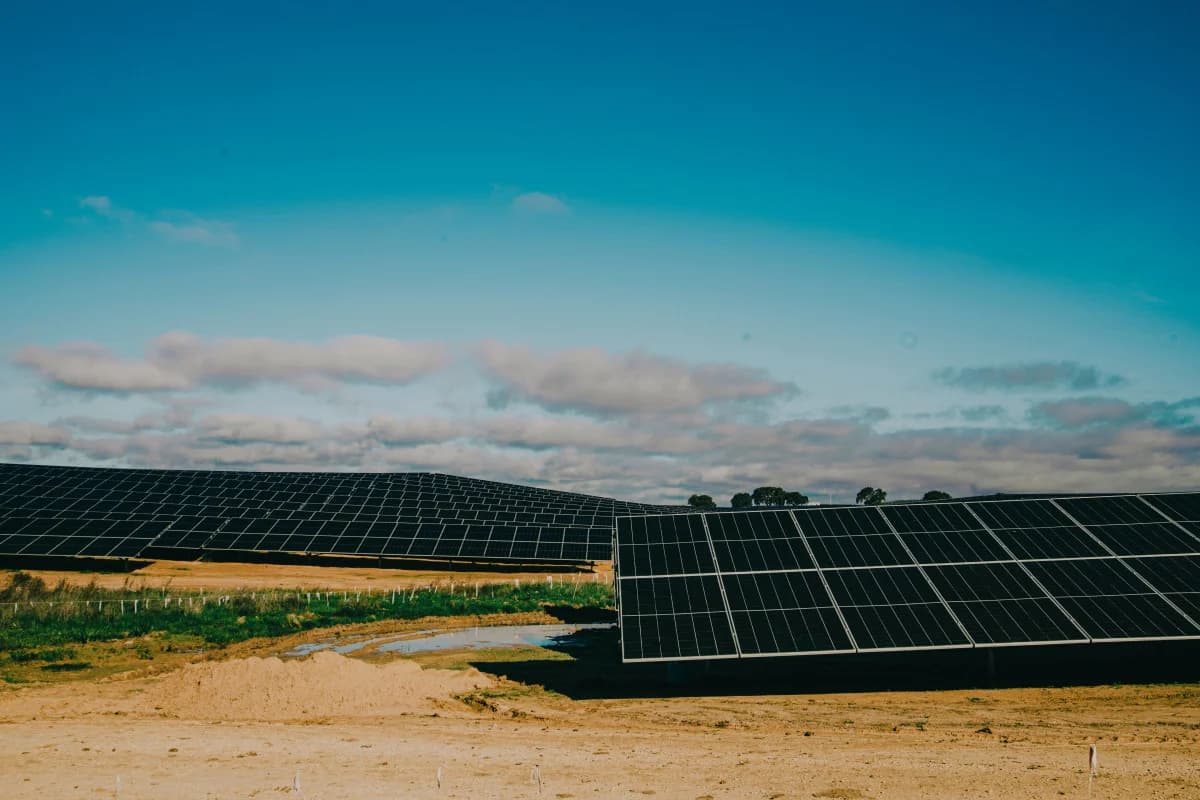
Utility scale solar power plant installation in Bangladesh
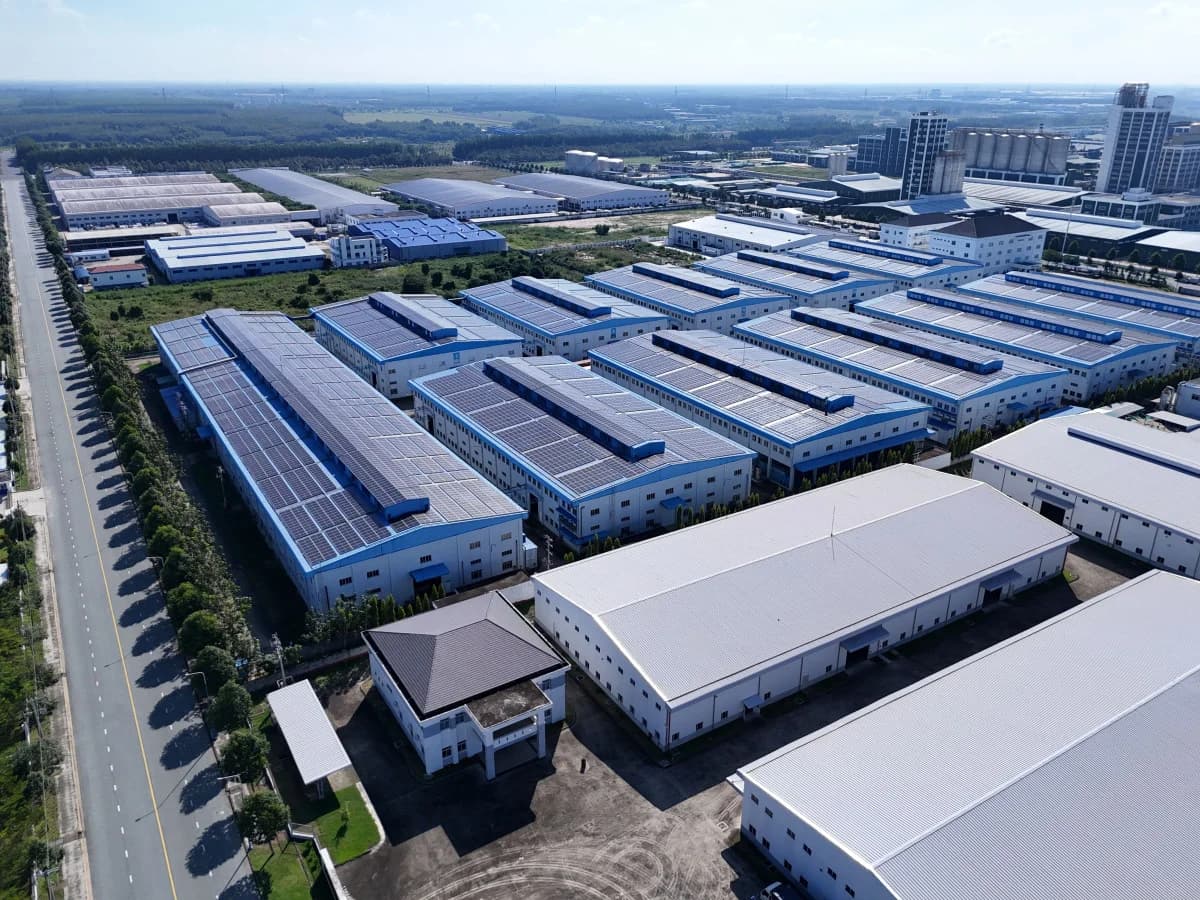
How to calculate the ROI of commercial rooftop solar in Bangladesh
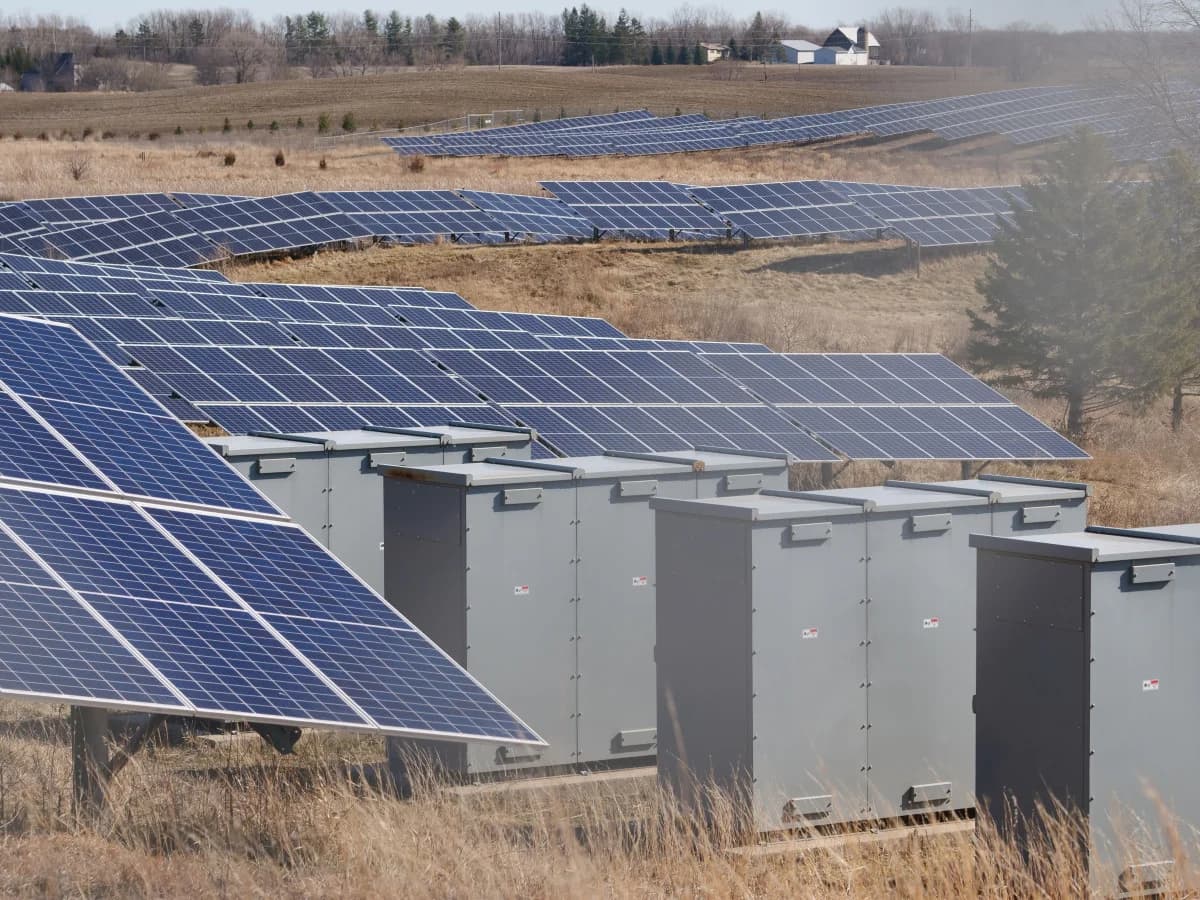
Grid tied vs off grid solar systems in Bangladesh: which is better?

Need help choosing?
As land-use pressure increases across Europe, Agri-PV is becoming an increasingly relevant solution.


Rapid Response

Expert Guidance at Every Step

Support